Best hair growth
serums in 2026
Hair growth serums are one of the fastest-growing categories in scalp care, but they don’t all work the same way. Some rely on peptides and caffeine, others on botanicals, scalp hydration or ingredients that reduce breakage and shedding.
Compared on formula quality, clinical testing, scalp compatibility, ease of use, value and support for fuller, denser-looking hair.
The podium
Verdict Lab Score · out of 10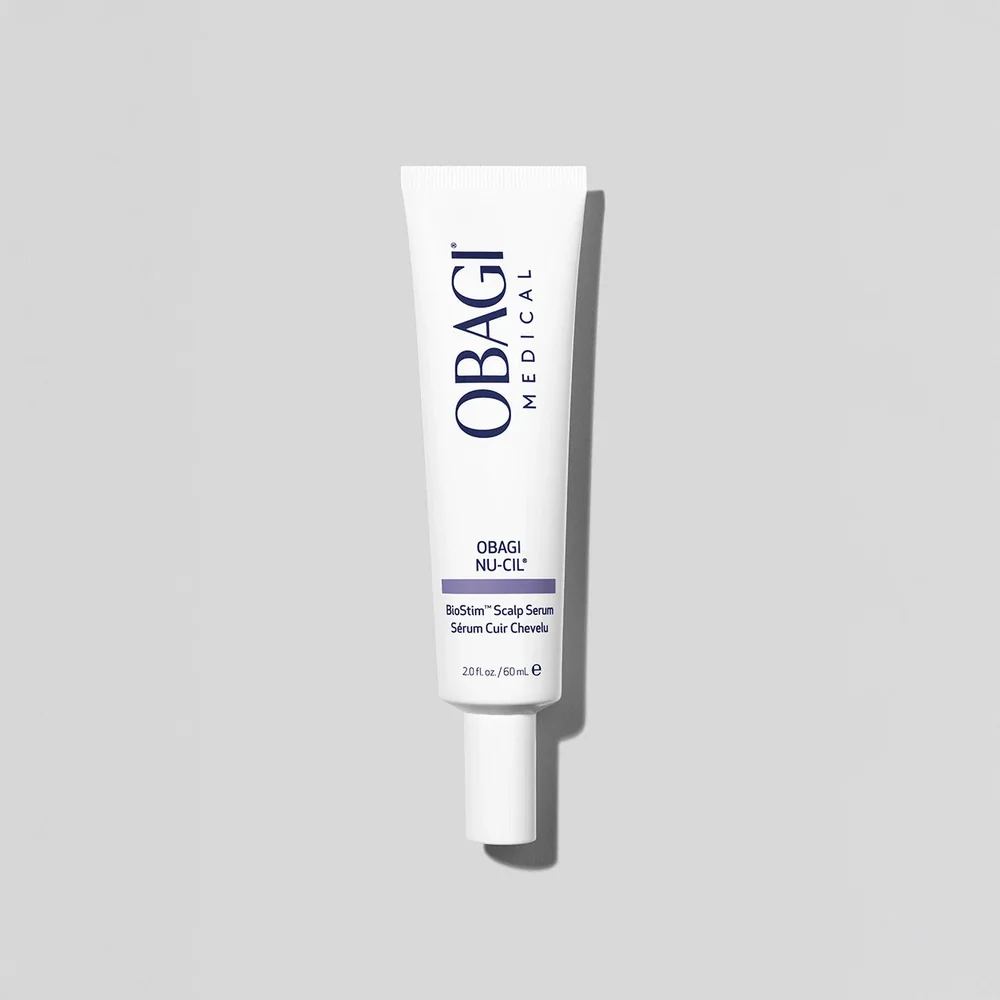 #19.6
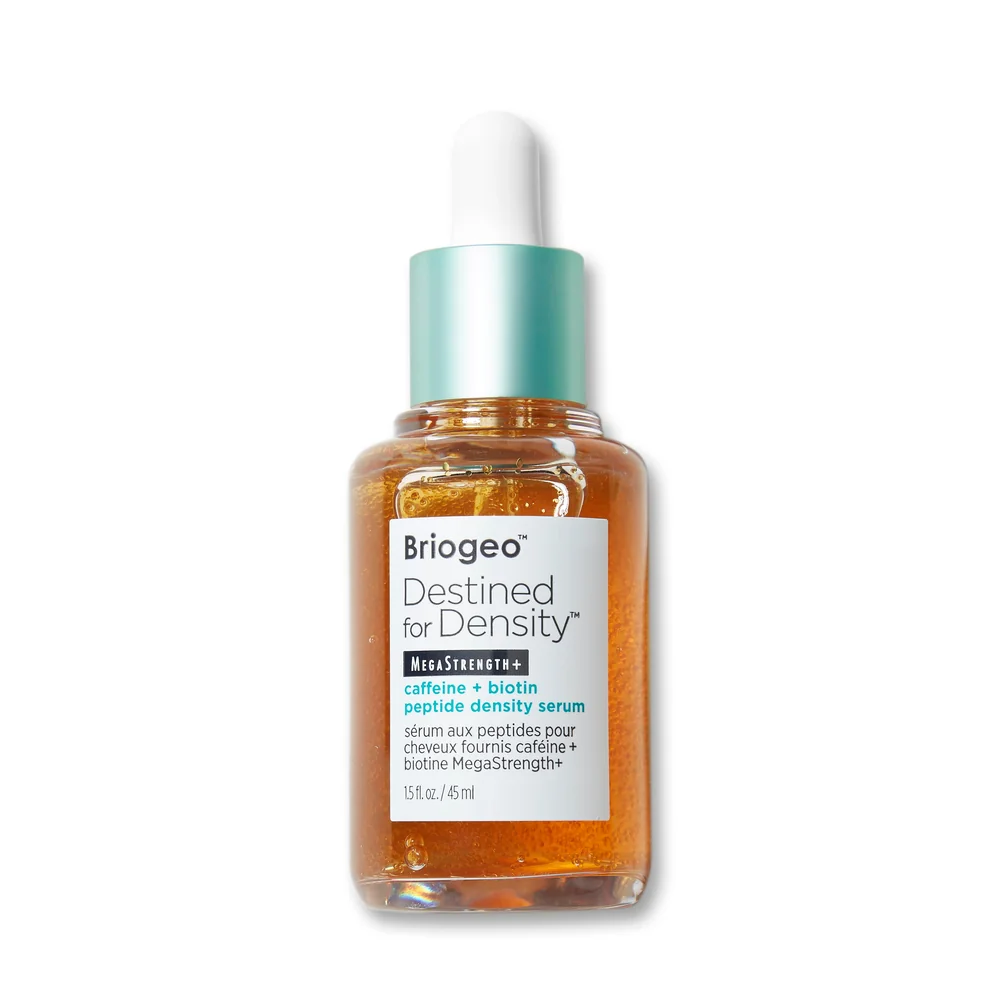 #29.5
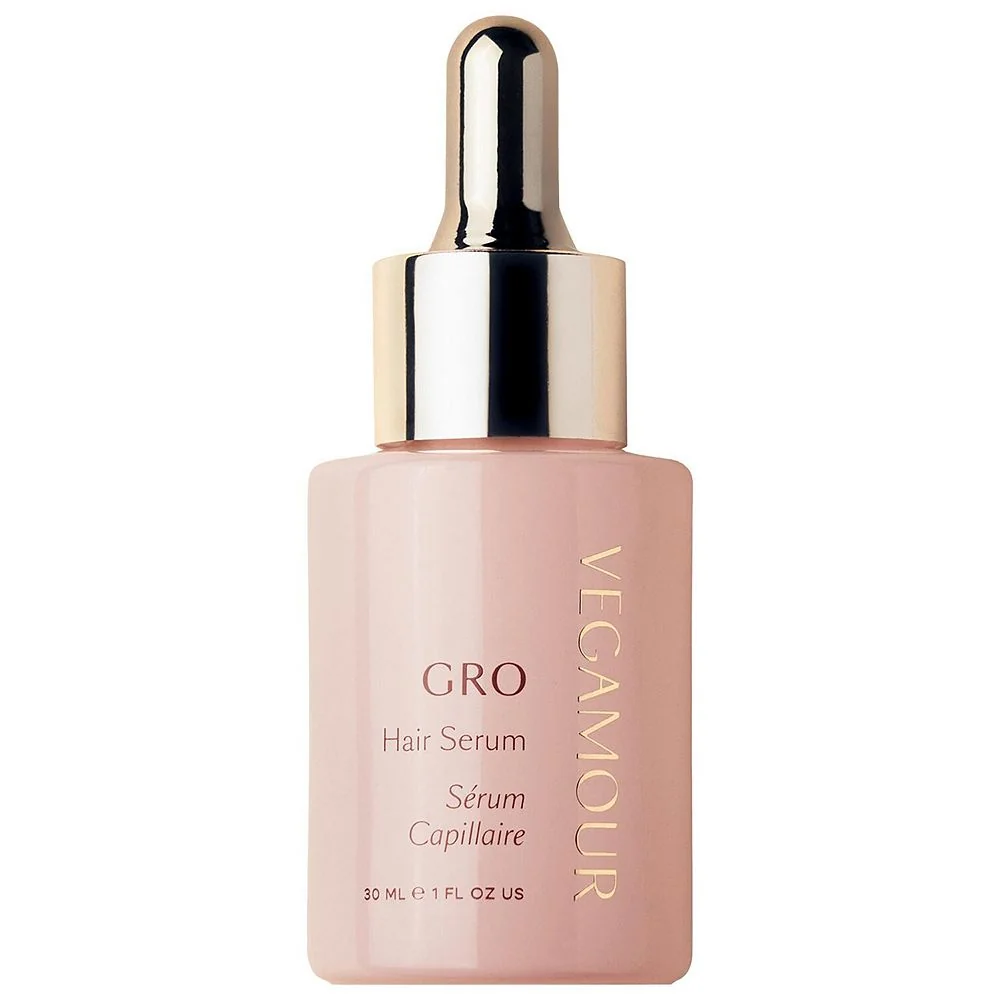 #39.3
Full ranking
1–10
Obagi Nu-Cil BioStim takes the top spot for pairing a sophisticated scalp-focused formula with unusually strong brand-provided clinical testing.
Its BioStim Complex contains biotin, amino acids, biotinoyl tripeptide-1, B vitamins and phytoactives designed to support scalp health and stronger-looking hair.
Obagi reports a 97% reduction in dry fallen hair and a 74% increase in scalp hydration after 24 weeks in 2025 testing. These results are brand-sponsored and individual outcomes vary.
Briogeo earns second place with one of the strongest cosmetic formulas in the category.
Copper peptides, caffeine, niacinamide, zinc, biotin and botanicals come together in a lightweight daily scalp treatment. Briogeo reports that a 16-week study of 35 participants showed increased density and up to 31% more follicle activity.
VEGAMOUR GRO is one of the most recognizable cosmetic hair-density serums in the U.S.
The current formula uses plant-derived actives, peptides, caffeine, mung bean and red clover to support healthier-looking follicles and reduce visible shedding.
In a 120-day consumer perception study of 40 participants, 93% saw less shedding and 90% saw improved-looking hair. It has 5,700+ reviews on the brand’s U.S. site, averaging about 4.4/5 at the time of our review.
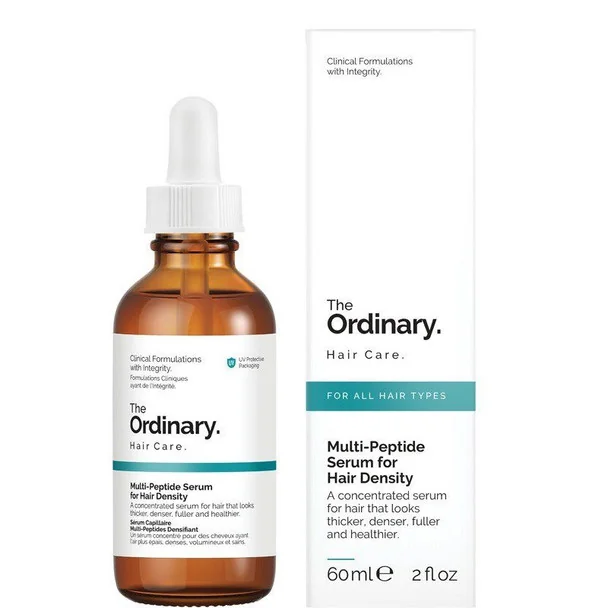
The Ordinary offers one of the most ingredient-dense formulas in this ranking for about $24.
It includes REDENSYL, Procapil, CAPIXYL, BAICAPIL and AnaGain alongside caffeine and multiple peptides. The brand positions it as improving the look of thickness and fullness, not as a drug treatment for hair loss.
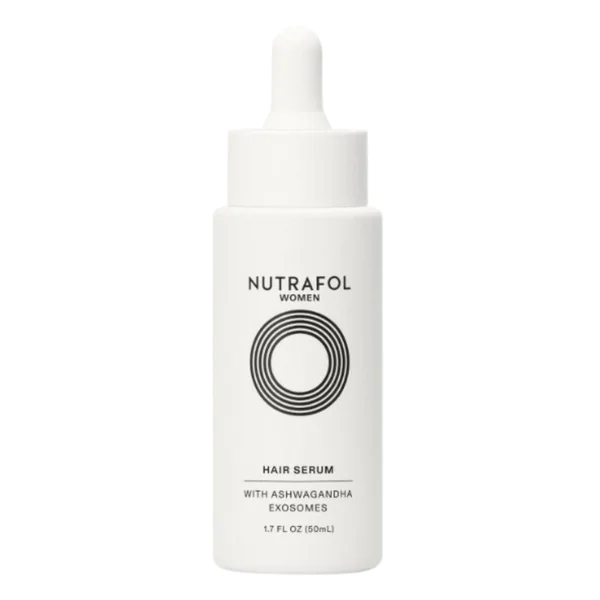
Nutrafol’s topical serum is designed to complement its better-known supplements.
It uses ashwagandha-derived exosomes, pea sprout extract and botanical peptides. Dermatologists quoted by Allure highlighted it for thinning and fine hair, largely thanks to its lightweight application.
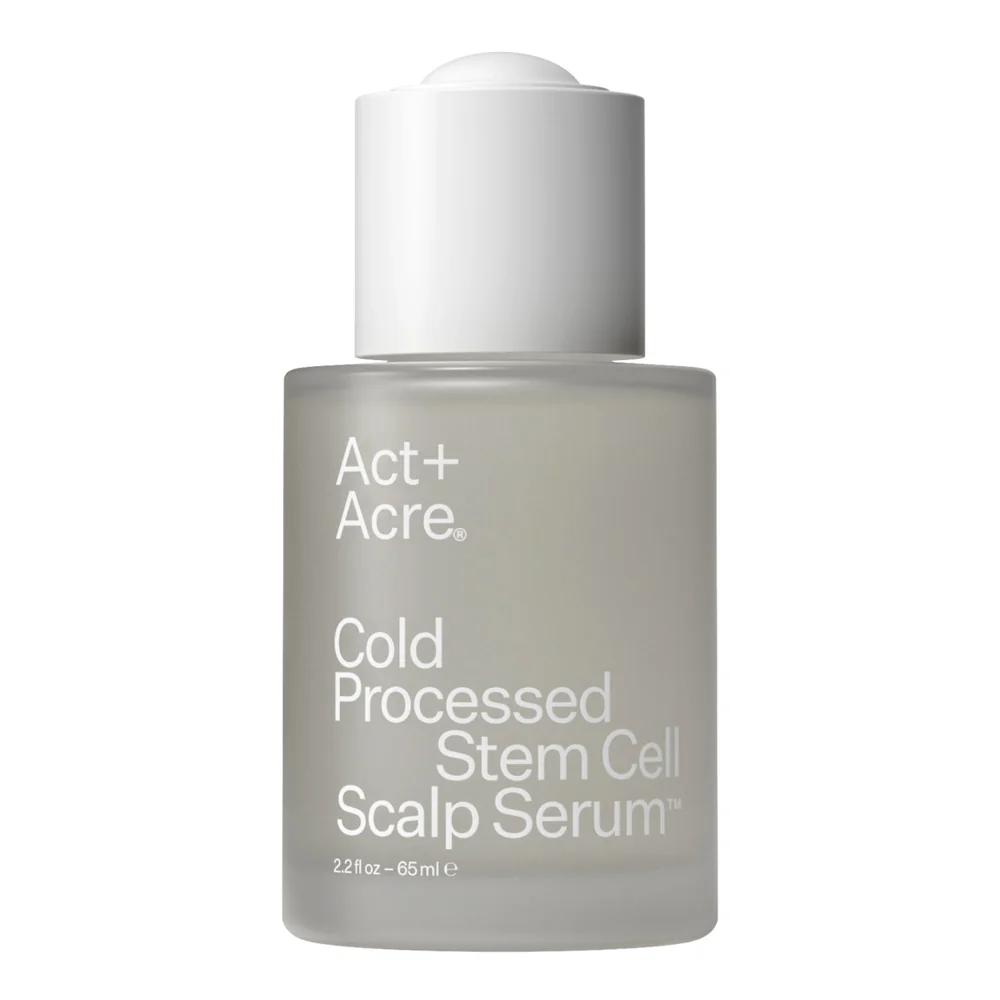
Act+Acre approaches density primarily through scalp health.
A Swiss apple stem-cell complex and other ingredients support the scalp microbiome and follicle environment. The company reports 90% of participants saw new growth in a six-week third-party study of 30 women with acute telogen effluvium, a small and specific population.
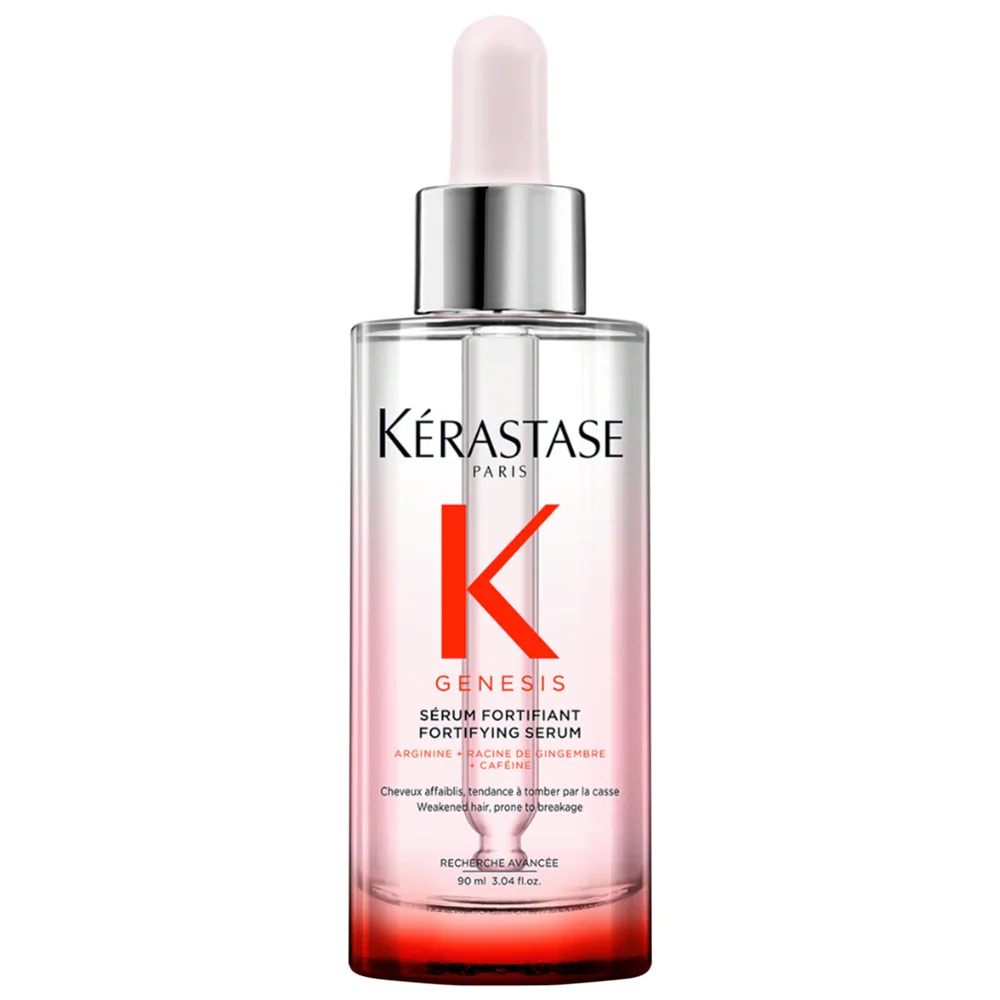
Kérastase Genesis works differently from the products above it. Instead of aggressive growth claims, it strengthens weakened hair from the root and reduces fall caused by breakage.
The brand reports up to 97% less hair fall due to breakage from brushing, which makes it ideal when hair looks thinner because fragile strands snap, not because follicles have stopped producing.
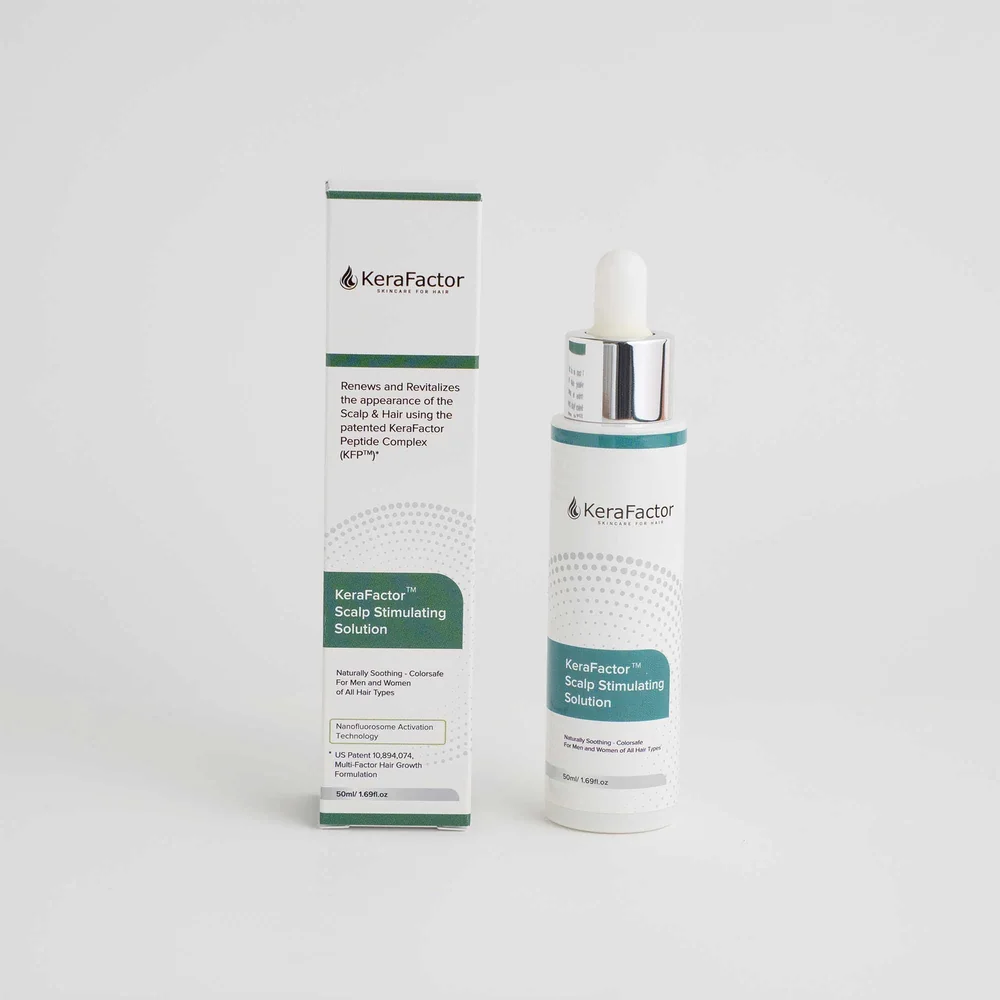
KeraFactor takes a technology-driven approach with biomimetic growth factors and peptides.
It contains seven biomimetic growth factors plus copper tripeptide-1, niacinamide and panthenol. Dermatologists interviewed by Allure highlighted it as a specialized treatment for thinning and shedding.
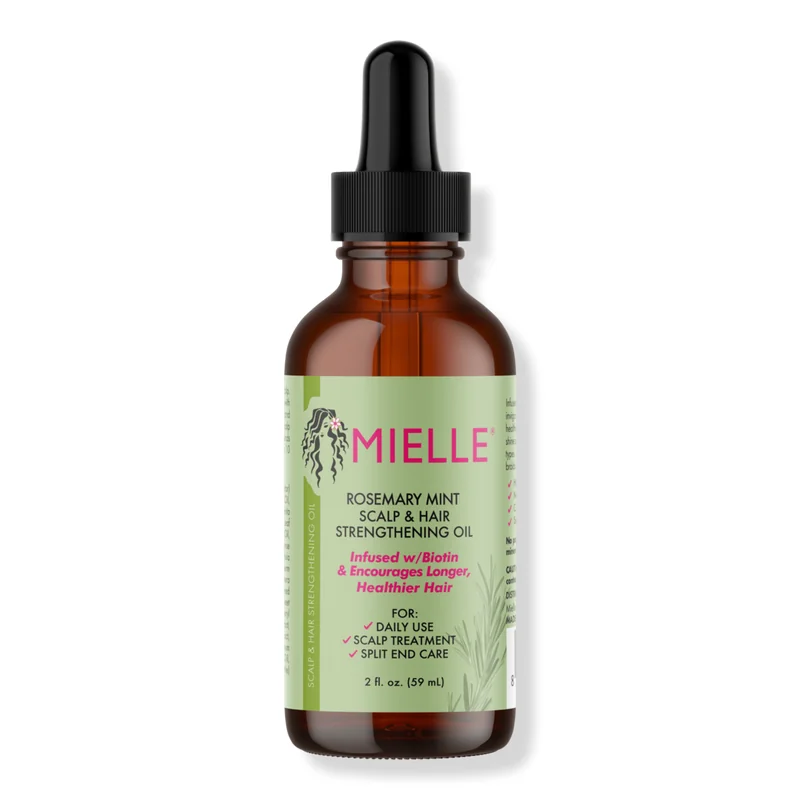
Technically an oil rather than a water-based serum, Mielle earns its place through popularity and its role in scalp-care routines.
Rosemary and peppermint oils combine with castor, jojoba, coconut oil, biotin and vitamin E. Think of it as scalp conditioning and breakage support, not a substitute for clinically established hair-loss treatments.
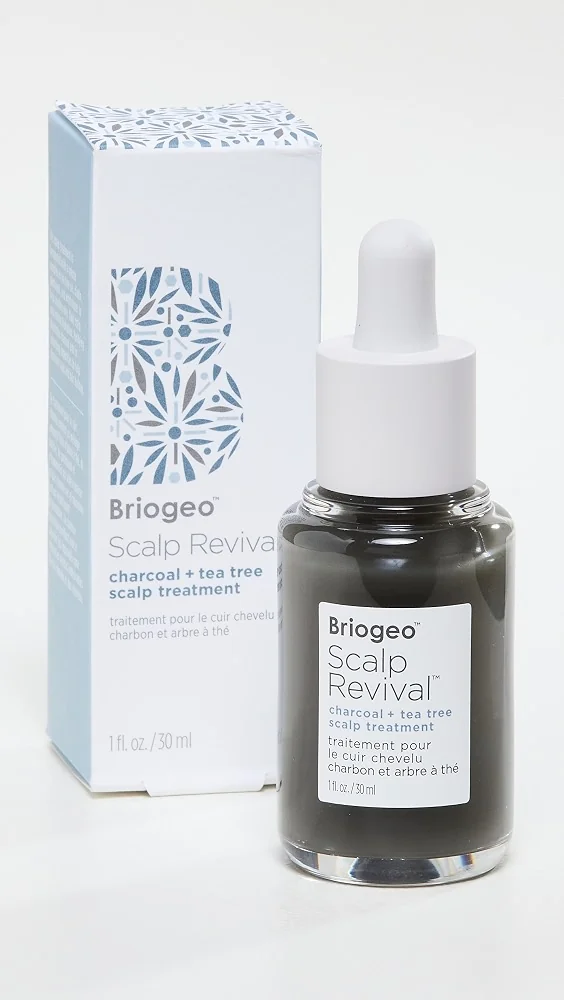
Scalp Revival is less a density serum and more a supportive scalp treatment.
Charcoal, tea tree oil, witch hazel and aloe help with buildup, oiliness, irritation and flaking. A healthier scalp is a useful part of a broader density routine, especially when irritation or buildup is present.
Comparison
table
What to look for
in a hair serum
Common in cosmetic density serums; they can support the scalp environment and improve the look and strength of hair. They are not equivalent to approved hair-loss medications.
Frequently paired with peptides and botanicals. Its role is supportive rather than pharmaceutical.
Helps support scalp barrier function; useful for irritated or compromised scalps.
Red clover, pea sprouts, rosemary and ginseng show some promising early evidence, but research quality varies widely.
A different category: an FDA-approved drug for certain hair loss with much stronger evidence. For significant, sudden or unexplained loss, see a dermatologist.
answer
Obagi Nu-Cil BioStim takes the top spot for its sophisticated peptide formula, finished-product clinical testing and strong focus on scalp health.
Briogeo Destined for Density is our preferred alternative: peptides, caffeine and niacinamide with clinical testing at a lower price.
For value, The Ordinary Multi-Peptide Serum is hard to beat. At about $24 it packs complexes usually found in far pricier products.
For early thinning, VEGAMOUR GRO remains one of the most established U.S. options, with a huge review base and a lightweight daily formula.
✱ How long until results? Hair changes slowly. Plan on 3–6 months of consistent use before judging visible changes; dermatologist-reviewed guidance commonly assesses progress after about three months.
More
rankings
All rankings ↗Retinoid, peptide and antioxidant formulas for lines, firmness and tone.
Open ↗/02LED face masksRed, near-infrared and blue light devices for at-home treatment.
Open ↗/04Vitamin C serumsPure L-ascorbic acid and derivatives for brightening and protection.
Open ↗/05Volumizing mascarasVolume, brush design and wear tested for fuller, thicker-looking lashes.
Open ↗/06Eyelash serumsPeptide and conditioning serums for longer, fuller-looking lashes.
Open ↗